Enzyme Cleaner for Septic Systems: What Works
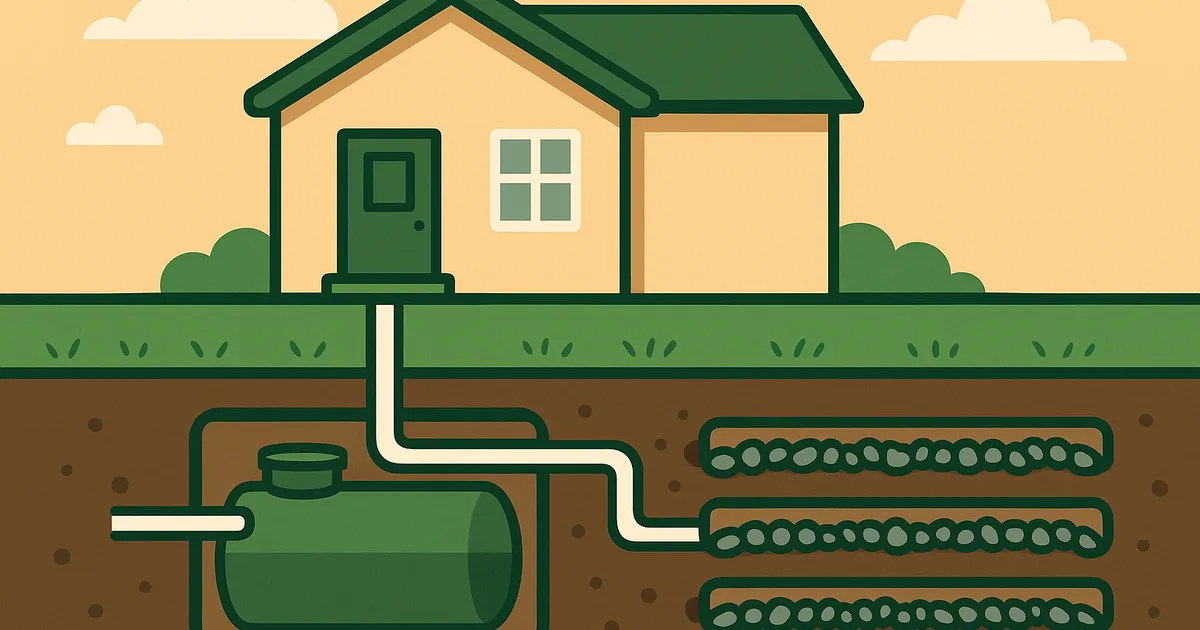
Table of Contents
Enzyme and bacteria-based septic treatments help maintain the natural microbial balance in your tank. They work best as ongoing maintenance, not as a fix for an already failing system. Monthly treatment during heavy-use seasons and quarterly during lighter months gives most homeowners solid results.
This guide covers how enzyme products work in a septic system, the monthly vs quarterly treatment debate, a seasonal maintenance schedule you can bookmark, what products to avoid, and which septic treatments we recommend. If you’re also interested in using enzymes around the house, check our guide on enzyme cleaner vs vinegar for everyday cleaning.
How Enzyme Cleaners Work in a Septic System
A healthy septic tank already contains billions of bacteria. They’re the workforce that breaks down solid waste, grease, and toilet paper into liquid that flows out to the drain field. Your septic system runs on biology, not chemistry. The EPA’s septic system guide covers the basics of how these systems function.
Enzyme and bacteria products add reinforcements to that natural process. They introduce beneficial microorganisms and enzymes that help your existing bacteria handle the load, especially during heavy use.
There are two types of products worth knowing about:
- Enzyme-only products add pre-made enzymes directly to the tank. These enzymes break down waste, but they get used up and don’t reproduce.
- Bio-enzymatic products add live bacteria that produce their own enzymes. The bacteria colonize your tank and keep working over time.
For septic systems, bio-enzymatic products are generally the better pick. The bacteria establish themselves in the tank and keep producing enzymes for weeks. Enzyme-only products give you a one-time boost that fades. For more on the science behind how enzymes break down organic matter, see this NCBI reference on enzyme function.
To understand the science behind this, read about how enzyme cleaners work.
ℹ️ Maintenance, Not Repair
Enzyme treatments don’t replace pumping. They help your system work better between pump-outs. If your tank is already failing, adding more enzyme product won’t fix the underlying problem. You need a septic professional.
Monthly vs Quarterly Treatment: What’s Right for You
This is the question septic owners ask most, and the answer depends on your household.
When Monthly Treatment Makes Sense
Treat monthly if any of these apply:
- Household with 4 or more people
- Heavy water usage (multiple daily showers, frequent laundry loads)
- Older septic system (20+ years)
- You use a garbage disposal (it sends extra organic material to the tank)
- High-use seasons like summer when you have guests staying
The more organic waste your system processes, the more bacterial support it needs. Monthly treatment keeps pace with heavy demand.
When Quarterly Treatment Is Enough
Treat quarterly if:
- Household with 1-2 people
- Moderate water usage
- Newer septic system in good condition
- No garbage disposal
- Low-use seasons (winter in seasonal or vacation homes)
A smaller household with moderate habits puts less strain on the tank. Quarterly doses maintain the microbial balance without overdoing it.
Seasonal Septic Maintenance Schedule
Spring
- • Flush a dose of bio-enzymatic product to jumpstart bacteria
- • Schedule pump-out inspection
Summer
- • Monthly enzyme treatment (higher water usage)
- • Watch for slow drains, gurgling, or odor near tank
Fall
- • Treat before cold weather slows bacteria
- • Get tank pumped if 3-5 years since last
- • Clear vegetation from drain field
Winter
- • Quarterly enzyme dose
- • Fix running toilets and leaky faucets
- • Spread laundry loads across the week
Seasonal Septic Maintenance Schedule
Bookmark this schedule. The hardest part of septic maintenance is remembering to do it.
Spring
Your first treatment after winter. Flush a dose of bio-enzymatic product to jumpstart bacterial activity as the ground warms up. Cold soil temperatures slow bacterial activity during winter months, so spring is when your system needs a fresh boost.
Schedule your pump-out inspection in spring as well. Getting ahead of summer use gives you time to address any issues before your system faces peak demand.
Summer
Monthly treatment if you have higher water usage. Guests, kids home from school, outdoor entertaining, and increased laundry all add to your system’s workload.
Watch for signs of stress: slow drains, gurgling sounds, or mild odor near the tank or drain field. These can signal that your system is working harder than usual.
Fall
Treat before cold weather slows bacterial activity. Get your tank pumped if it’s been 3-5 years since the last pump-out. Fall is the best time for this because pumping services are less busy than in spring.
Clear vegetation from your drain field area. Root intrusion is a common cause of drain field problems, and clearing plants before winter makes maintenance easier.
Winter
A quarterly dose is enough for most systems. Bacteria slow down in cold ground temperatures, and most households use less water in winter.
Reduce water waste to ease the load on your system. Fix running toilets and leaky faucets. Spread laundry loads across the week instead of doing them all on one day.
💡 Set a Reminder
Set a calendar reminder for treatment days. Pick a consistent day each month (like the first Saturday) or each quarter. The people who maintain their septic systems well are the ones who make it a routine, not an afterthought.
RV holding tanks work the same way
If you also run an RV, the biology is nearly identical: a sealed tank where bacteria break down waste, and where the wrong chemicals wipe out the population you depend on. The dosing and the flush schedule differ though, so see our guide to enzyme cleaners for RV holding tanks rather than assuming the septic routine transfers directly.
What to Avoid with a Septic System
What goes down your drains matters as much as what you add to the tank. Certain household products kill the beneficial bacteria that keep your septic system working.
| Product | Septic Impact | Better Alternative |
|---|---|---|
| Antibacterial soap | Kills beneficial tank bacteria | Regular soap or plant-based soap |
| Bleach (heavy use) | Disrupts microbial balance | Oxygen-based bleach, hydrogen peroxide |
| Chemical drain cleaner (lye, acid) | Destroys septic biology | Enzyme drain cleaner |
| Antibacterial cleaning sprays | Residue harms tank bacteria | Enzyme-based surface cleaners |
| Paint, solvents, motor oil | Toxic to all tank biology | Dispose at hazardous waste facility |
A few key points:
- Bleach in small amounts from normal laundry won’t destroy your system. But pouring bleach down drains regularly is a problem. If you use bleach often, add monthly bio-enzymatic treatment to replenish what the bleach kills.
- Chemical drain cleaners are the worst offenders. Products containing lye or sulfuric acid can wipe out your tank’s bacterial population in a single use. Use enzyme drain cleaners instead. They’re septic-safe by design.
- Antibacterial soaps are a slow drain on your tank’s biology. The antibacterial agents don’t stop working when they hit the tank. Switch to regular soap if you’re on a septic system. The EPA Safer Choice program certifies products that are better for your home plumbing and septic system.
Septic-Safe vs Septic-Harmful Products
| Product | Septic Impact | Better Alternative |
|---|---|---|
| Antibacterial soap | Kills beneficial tank bacteria | Regular or plant-based soap |
| Bleach (heavy use) | Disrupts microbial balance | Oxygen-based bleach, hydrogen peroxide |
| Chemical drain cleaner | Destroys septic biology | Enzyme drain cleaner |
| Antibacterial cleaning sprays | Residue harms tank bacteria | Enzyme-based surface cleaners |
| Paint, solvents, motor oil | Toxic to all tank biology | Dispose at hazardous waste facility |
Top Enzyme Products for Septic Systems
These recommendations are based on our research into user reviews, ingredient quality, and value for septic maintenance. All are bio-enzymatic products containing live bacteria. If you’re curious whether a product you already own qualifies as enzyme-based, check our guide on which products are actually enzyme cleaners.
RID-X Septic Treatment is the most widely available option. It comes in monthly-dose packets you flush down the toilet. The convenience factor makes it a solid default for homeowners who want a simple routine. Available at most hardware stores and supermarkets.
Green Gobbler Septic Saver offers a similar flush-and-forget approach with pre-measured pods. Users report good results for drain odor prevention and general tank maintenance. For a closer look, read our Green Gobbler enzyme drain cleaner review.
Cabin Obsession Septic Treatment targets heavy-use households and older systems. It has a higher bacterial concentration than most competitors. Worth considering if you have a large household or an aging system.
Biokleen Bac-Out isn’t marketed as a septic treatment, but it deserves a spot here. As a household cleaner, every drop of Bac-Out that goes down your drains adds live bacterial cultures to your septic system. If you use Bac-Out for surface or drain cleaning, you’re giving your septic system a small boost with every use.
Check current prices on product pages. Prices change frequently.
💡 Buy in Bulk
Most septic treatments are cheaper per dose when you buy a 6-month or 12-month supply. Since you’ll be using them on an ongoing schedule, buying in bulk saves money over time.
Signs Your Septic System Needs More Than Enzyme Treatment
Enzyme products are maintenance tools. They can’t fix a failing system. If you notice any of these signs, stop adding product and call a septic professional:
- Slow drains throughout the house (not just one drain, which usually means a local clog)
- Sewage odor in the yard near the tank or drain field
- Standing water or soggy ground over the drain field area
- Sewage backup into the house through floor drains or toilets
- Lush, green grass directly over the drain field (this can indicate effluent surfacing)
These symptoms mean your system has a structural or capacity problem that bacteria and enzymes can’t solve. You may need pumping, repairs, or in worst cases, a new drain field.
⚠️ Don't Ignore Failure Signs
Enzyme treatments are maintenance, not repair. If your system is showing failure signs, call a septic professional before adding more product. Delaying professional inspection can turn a repairable problem into a costly replacement.
A well-maintained septic system lasts 25-30 years or more. Regular enzyme treatment, mindful water usage, and timely pump-outs are the three pillars that keep it running. Get those right, and your system should serve you well for decades. For surface cleaning products that are also septic-friendly, see our picks for the best enzyme carpet cleaners and our guide on enzyme cleaner for hardwood floors.
If you’re dealing with drain-specific issues alongside septic maintenance, our guide on enzyme drain cleaners for drain flies covers a common overlap problem.
Frequently Asked Questions
Do enzyme septic treatments really work?
How often should I add enzyme treatment to my septic tank?
Can I use bleach if I have a septic system?
What's the difference between enzyme and bacteria septic treatments?
Do enzyme treatments replace septic tank pumping?
Are enzyme-based household cleaners safe for septic systems?
Related Articles

Best Enzyme Cleaner for RV Holding Tanks (2026)
Enzyme cleaners break down waste in RV black and gray tanks without formaldehyde. Top picks, dosage by tank size, and winterization tips. See our picks.
How to Get Rid of Drain Flies (What Actually Works)
Drain flies breed in the slime inside your pipes, so bleach won't fix it. Here's what actually removes them, and how long it takes to work.
Cleaning Product Researcher
Sarah Chen is a pen name for our lead product researcher. A lifelong dog person who now shares her home with two cats, she's no stranger to enzyme cleaners. She writes the guides and reviews on this site based on product research, ingredient analysis, and real user feedback.