Types of Enzymes in Cleaners: Proteases, Lipases, Amylases
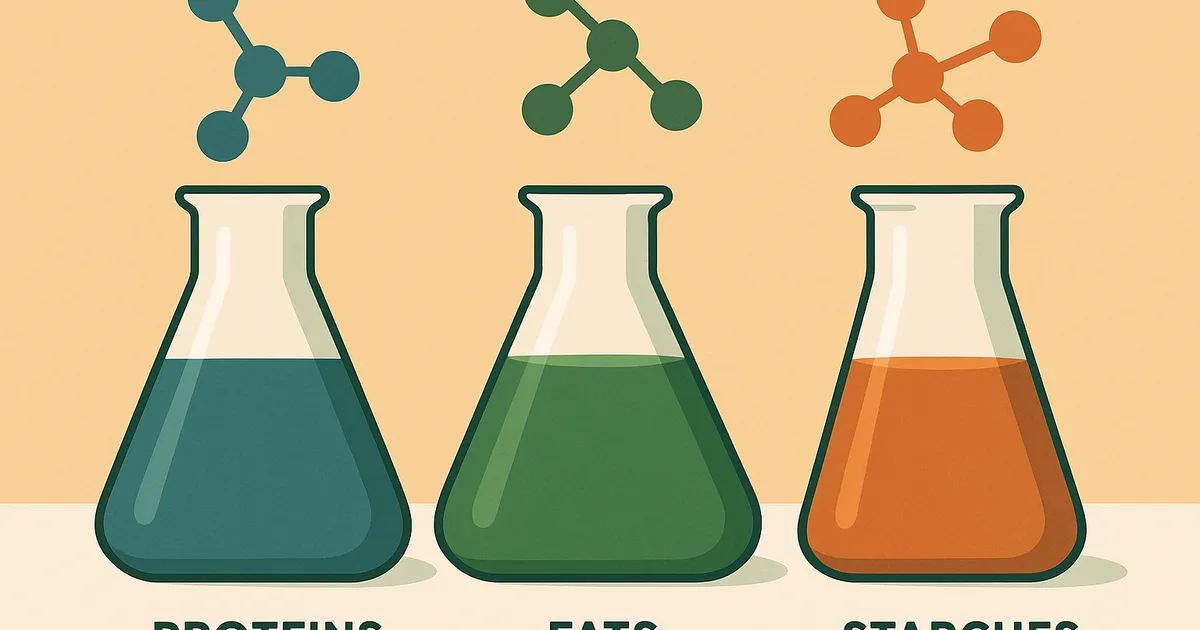
Table of Contents
Most enzyme cleaners contain a blend of 3-5 enzyme types. Each one targets a different kind of organic matter. Proteases break down proteins (blood, urine, sweat). Lipases handle fats and oils (grease, cooking spills). Amylases tackle starches (food residue, sauces). Knowing which enzymes are in your cleaner helps you pick the right product for the job.
This guide breaks down each enzyme type in plain language: what it targets, how temperature and pH affect it, and which stains it handles best. By the end, you’ll know how to match the right enzyme to your specific cleaning problem.
Enzymes are biological proteins that speed up chemical reactions. The National Center for Biotechnology Information has detailed resources on how enzymes function at the molecular level. For cleaning purposes, the key point is that each enzyme type targets a specific kind of organic matter.
How enzymes work in cleaning products
Enzymes are proteins that act as biological catalysts. They speed up chemical reactions that would otherwise take a very long time. Each enzyme has a specific shape that fits only certain molecules, like a lock that only accepts one key.
When an enzyme meets its target molecule (called the substrate), it breaks it into smaller pieces. Those smaller pieces dissolve in water and wash away. The enzyme itself isn’t used up in this process. One enzyme molecule can break down many stain molecules before it wears out.
This is why enzyme cleaners keep working over time as long as they stay moist. The enzymes are continuously finding and breaking down target molecules until the surface dries out or the substrate is gone. This ongoing action is what makes enzyme cleaners different from regular surface cleaners, as we explain in our enzyme cleaner vs vinegar comparison.
For a broader introduction to enzyme-based cleaning, check our guide on what enzyme cleaners are and how they work.
Proteases: protein-busting enzymes
Proteases are the most common enzyme in cleaning products. If a cleaner contains only one enzyme type, it’s almost always a protease. They handle the widest range of everyday stains because so many common stains are protein-based.
What proteases target: proteins in all forms.
Stains they handle:
- Blood (fresh and dried)
- Urine (uric acid and urea proteins)
- Sweat and body oil residue
- Grass stains
- Egg
- Baby formula and milk
- Gelatin-based food spills
Optimal conditions: Proteases work best in slightly alkaline pH (8-10) and temperatures between 85-130F. Higher temperatures increase activity up to a point, then the enzyme denatures (unfolds permanently and stops working).
Why they matter: If you’re only going to buy one type of enzyme cleaner, get one with proteases. They cover the most common household stains. Nearly every pet stain remover on the market is protease-based because urine and feces are protein-rich.
For a practical example of proteases in action, see our guide on enzyme cleaners for blood stains.
Lipases: fat-dissolving enzymes
Lipases target fats, oils, and greases. Any stain that feels slick or greasy probably has a lipid component that lipases can break down.
What lipases target: lipid-based (fat and oil) compounds.
Stains they handle:
- Cooking oil and grease
- Butter and margarine
- Salad dressing
- Cosmetics (foundation, lipstick)
- Sebum (skin oil buildup on collars and cuffs)
- Motor oil and lubricants (partial effectiveness)
Optimal conditions: Lipases work best at neutral to slightly alkaline pH (7-9) and moderate temperatures (70-110F). They’re more sensitive to heat than proteases, so keeping the water cooler matters here.
Why they matter: Lipases handle the greasy stains that detergent surfactants struggle with on their own. Surfactants lift grease off surfaces, but lipases actually break the fat molecules apart. The combination of both is more effective than either alone.
ℹ️ Collar and Cuff Stains
That yellowish buildup on shirt collars and cuffs is mostly sebum, your skin’s natural oil. It accumulates over time and resists regular washing because it bonds with the fabric fibers. A detergent with lipase enzymes breaks down the sebum much more effectively than one without. Pre-treating collars with an enzyme stain remover before washing makes a noticeable difference.
Amylases: starch-breaking enzymes
Amylases target starches and carbohydrates. If your stain came from food, especially cooked or processed food, amylases are the enzymes doing the heavy lifting.
What amylases target: starch and carbohydrate compounds.
Stains they handle:
- Pasta sauce
- Rice and grain residue
- Baby food
- Chocolate
- Gravy
- Adhesive residue (some types)
Optimal conditions: Amylases work well across a broad temperature range (70-140F) and pH range (5-8). They’re among the most heat-stable cleaning enzymes, which is why dishwasher detergents often rely on amylases for baked-on food residue.
Why they matter: Starch-based stains are common in kitchen and food service settings. Amylases are also present in your saliva, which is why old advice about licking a food stain had a grain of truth to it (though we don’t recommend that as a cleaning strategy).
ℹ️ Amylase in Your Saliva
Your saliva contains amylase enzymes. That’s why bread starts tasting sweet if you chew it long enough. The amylase breaks starch into sugar. Cleaning product amylases work the same way but are engineered for stability outside the body.
Other enzymes you’ll find in cleaners
Beyond the big three, several specialty enzymes show up in modern cleaning products.
Cellulases
Cellulases target cellulose fibers found in cotton and linen. They don’t remove stains directly. Instead, they smooth fabric fibers and remove the tiny fiber “pills” that make clothes look worn.
This restores fabric appearance and helps release trapped soil particles. You’ll find cellulases in laundry detergents marketed for fabric care and color brightening.
Mannanases
Mannanases target guar gum and similar galactomannan compounds. These are thickening agents used in foods like ice cream, sauces, and processed foods.
These are a relatively new addition to cleaning enzyme formulas. They’re becoming more common as food manufacturers use more gum-based additives in processed foods.
Pectinases
Pectinases target pectin, a compound found in fruits. They handle berry stains, jam, and fruit juice spots.
Pectinases are less common in general cleaning products but appear in specialty stain removers and some commercial laundry detergents.
Specialty Enzymes in Cleaning Products
| Enzyme | Targets | Common Sources |
|---|---|---|
| Cellulase | Cellulose fibers | Grass stains, soil, cotton pilling |
| Mannanase | Guar gum, galactomannans | Ice cream, sauces, processed foods |
| Pectinase | Pectin | Berry stains, jam, fruit juice |
Temperature and pH: why they matter
Every enzyme has a comfort zone. Push it outside that zone and performance drops fast.
Temperature effects
Each enzyme type has an optimal temperature range where it works fastest. Below that range, enzymes still function but much more slowly. Above the optimal range, enzymes start to denature: they unfold permanently and lose their shape.
Here’s the practical temperature guide:
| Enzyme Type | Optimal Range | Still Active | Starts Denaturing |
|---|---|---|---|
| Proteases | 85-130F | 50-140F | Above 140F |
| Lipases | 70-110F | 50-120F | Above 130F |
| Amylases | 70-140F | 50-160F | Above 170F |
| Cellulases | 85-130F | 50-140F | Above 150F |
The general rule: lukewarm water (80-100F) is safe for all enzyme types. Hot water from the tap (around 120F) is fine for most. Water from a kettle or pot on the stove will likely denature your enzymes.
⚠️ Hot Water Kills Enzymes
This is the most common mistake people make with enzyme cleaners. Hot water above 140F permanently deactivates most cleaning enzymes. You can’t reactivate them by cooling the solution back down. Once denatured, the enzyme is done. Always use lukewarm water, and never mix enzyme cleaner with water straight from a kettle.
pH effects
pH measures how acidic or alkaline a solution is on a scale of 0-14. Pure water is neutral at pH 7. Below 7 is acidic (vinegar is around pH 2-3). Above 7 is alkaline (baking soda solution is around pH 8-9).
| Enzyme Type | Optimal pH Range | Notes |
|---|---|---|
| Proteases | 8-10 (alkaline) | Work well in most detergent solutions |
| Lipases | 7-9 (neutral to slightly alkaline) | More pH-sensitive than proteases |
| Amylases | 5-8 (slightly acidic to neutral) | Broadest pH tolerance of the three |
This is why you shouldn’t mix enzyme cleaners with other cleaning products. Vinegar (pH 2-3) pushes the solution too acidic for most enzymes. Bleach is highly alkaline and destroys enzyme proteins on contact. Even mixing two different cleaning products can shift the pH enough to reduce enzyme activity.
The enzyme matching guide
This is the practical takeaway. If you know what caused your stain, you can pick the right enzyme for the job.
| Your Stain | Enzyme You Need | Examples |
|---|---|---|
| Protein-based | Protease | Blood, urine, sweat, egg, milk, grass |
| Fat or oil-based | Lipase | Grease, cooking oil, butter, cosmetics, collar grime |
| Starch or food-based | Amylase | Pasta, rice, chocolate, gravy, baby food |
| Fruit-based | Pectinase | Berry stains, jam, fruit juice |
| Unknown origin | Multi-enzyme blend | Use a product listing proteases + lipases + amylases |
If you’re not sure what caused the stain, go with a multi-enzyme product. Most quality enzyme cleaners include all three major types (proteases, lipases, and amylases) in one formula. This covers the majority of household stains.
💡 When in Doubt, Go Multi-Enzyme
For general cleaning, a product with a multi-enzyme blend is the safest bet. You don’t need to identify your stain type perfectly. The enzymes that don’t match your stain simply won’t activate on it. They won’t interfere with the enzymes that do match. A multi-enzyme product covers your bases without any downside.
To find out which popular products contain enzymes and which don’t, check our guide on which popular products are enzyme cleaners.
How to read an enzyme cleaner label
Most enzyme cleaners don’t make it easy to figure out what’s inside. Here’s what to look for.
Check the ingredients list for enzyme names. You might see the common names (protease, lipase, amylase) or their technical/trade names (subtilisin, Savinase, Termamyl, Lipolase). Both refer to the same types of enzymes.
Look for specificity. Products that list specific enzyme types are usually better formulated than ones that just say “enzyme formula” or “enzymatic cleaning agents.” The vague labels often mean a single enzyme type at a low concentration.
Check the recommended water temperature. This tells you something about the enzyme formulation. A product that says “use with cold to warm water” likely contains enzymes with lower heat tolerance. A product rated for hotter water may use heat-stable enzyme variants.
“Bio” vs. “non-bio” labels. In the UK and Europe, “bio” laundry detergents contain enzymes while “non-bio” detergents don’t. In the US, this labeling convention isn’t standard, so you’ll need to check the ingredients list.
For safety considerations with enzyme cleaning products, especially around pets and children, see our article on enzyme cleaner safety for pets and kids.
Putting it all together
Every enzyme in your cleaner has a specific job. Proteases handle proteins (blood, urine, sweat). Lipases dissolve fats (grease, oil, cosmetics). Amylases break down starches (food residue, sauces). Specialty enzymes like cellulases, mannanases, and pectinases handle niche cleaning tasks.
Temperature and pH affect how well each enzyme works. Lukewarm water is safe for all types. Hot water above 140F permanently deactivates most cleaning enzymes. And mixing enzyme cleaners with vinegar or bleach reduces or eliminates their effectiveness.
If you want the simplest approach, buy a multi-enzyme product that includes proteases, lipases, and amylases. It covers the vast majority of household stains without requiring you to identify the stain type first.
Products with enzyme blends tend to score well on independent safety evaluations like the EPA Safer Choice program and the EWG cleaning product guide. Look for these certifications when shopping.
For help choosing between specific brands, browse our roundup of the best pet stain and odor removers or see how to make your own enzyme cleaner at home. And for more answers to common enzyme cleaner questions, check out our enzyme cleaner FAQ.
Frequently Asked Questions
What's the most important enzyme in a cleaning product?
Can I mix different enzyme cleaners together for better results?
Do enzyme cleaners expire?
Why does my enzyme cleaner say to use warm water, not hot?
Are the enzymes in cleaners the same as the enzymes in my body?
Do 'bio' and 'non-bio' laundry detergents refer to enzymes?
Related Articles
Is OdoBan an Enzyme Cleaner? What the EPA Label Says
No. OdoBan's active ingredient is a quaternary ammonium compound, not an enzyme. We read the EPA label to see what it does and where it applies.
How to Get Rid of Drain Flies (What Actually Works)
Drain flies breed in the slime inside your pipes, so bleach won't fix it. Here's what actually removes them, and how long it takes to work.
Cleaning Product Researcher
Sarah Chen is a pen name for our lead product researcher. A lifelong dog person who now shares her home with two cats, she's no stranger to enzyme cleaners. She writes the guides and reviews on this site based on product research, ingredient analysis, and real user feedback.