Enzyme Cleaner for Shower Drains: Clear Hair Clogs
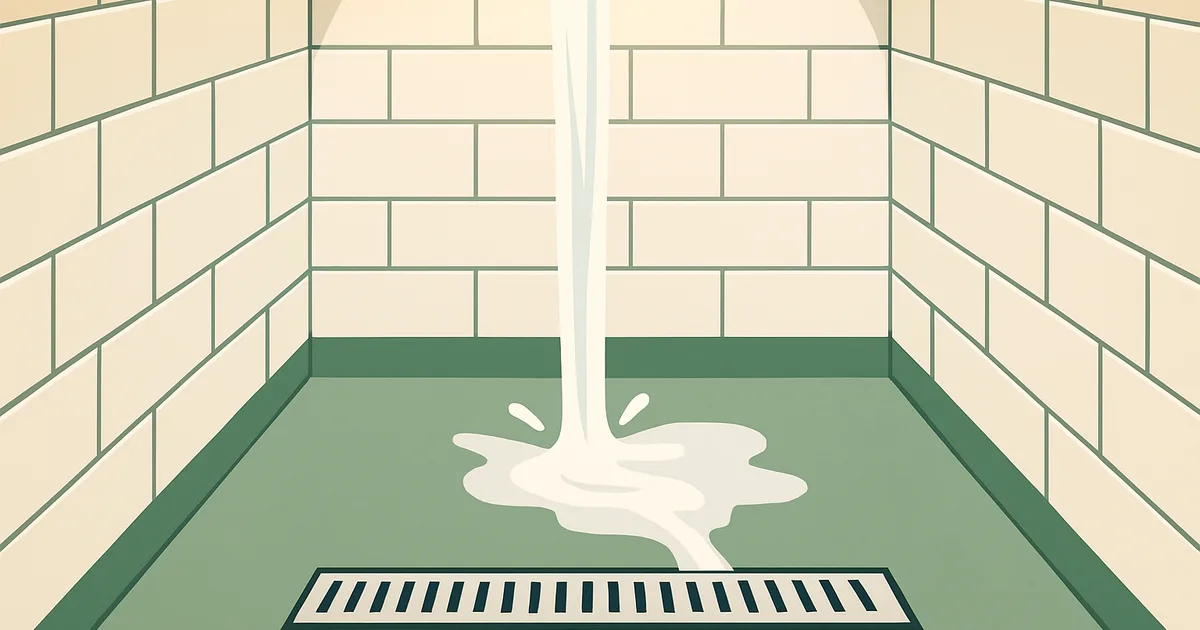
Table of Contents
Hair clogs are made of keratin, a tough protein. Protease enzymes break keratin down over 6-8 hours, clearing slow drains without the pipe damage that chemical drain openers cause. For best results, pour enzyme cleaner into the drain before bed and let it work overnight.
Affiliate Disclosure: This page contains affiliate links. When you purchase through our links, we may earn a commission at no additional cost to you. Full disclosure.
Below, we’ll cover why enzymes work on hair clogs, walk through the step-by-step clearing process, set up a weekly prevention schedule, and point you toward the right products. If you want the basics first, here’s a quick overview of how enzyme cleaners work.
Why Hair Clogs Need Enzyme Cleaners (Not Chemicals)
Hair is made of keratin, one of the toughest proteins in nature. It’s the same protein in fingernails and animal hooves. That’s why a clump of hair in your drain doesn’t just dissolve on its own.
Protease enzymes specifically target and break down proteins. They latch onto the keratin strands and digest them into smaller, water-soluble pieces that wash away. The process takes hours, not minutes, but it works without damaging your plumbing. The NCBI provides a detailed look at how enzymes break down proteins if you want the science behind it.
Chemical drain openers take a different approach. Products with lye (sodium hydroxide) or sulfuric acid dissolve hair quickly, usually in 15-30 minutes. But they also corrode pipes. Repeated use weakens PVC joints, eats through older metal plumbing, and can cause leaks that cost far more than a bottle of drain cleaner. The EPA Safer Choice program certifies cleaning products that meet strict safety standards, and enzyme-based drain cleaners are a common category in that program.
⚠️ Warning
Chemical drain openers can weaken pipe joints over time, leading to leaks. If you have older plumbing or PVC pipes, enzyme drain cleaners are the safer long-term choice. They clear the clog without corroding the pipe.
How to Clear a Slow Shower Drain with Enzyme Cleaner
This method works best on slow-draining showers where water still goes down, just slowly. If your drain is fully blocked, see the section below on when enzyme cleaners won’t work.
- Remove the drain cover and pull out any visible hair with needle-nose pliers or a small drain snake. Get as much out manually as you can.
- Run hot water for 30 seconds to soften the remaining buildup inside the pipe.
- Pour enzyme cleaner directly into the drain. Follow the product label for the amount. Most call for 2-4 oz per treatment.
- Let it sit overnight. Enzymes need 6-8 hours of contact time with no water flow to break down the clog. Do this right before bed.
- Flush with hot water in the morning. Run the shower for a minute or two to wash away the dissolved material.
- Repeat if needed. Stubborn clogs may need 2-3 consecutive nightly treatments. Each round dissolves more of the buildup.
Overnight Shower Drain Clearing
Remove the drain cover
Pull out visible hair with pliers or a small drain snake.
Run hot water 30 seconds
Softens remaining buildup inside the pipe.
Pour enzyme cleaner into drain
Follow label for amount (typically 2-4 oz per treatment).
Let it sit overnight
Enzymes need 6-8 hours with no water flow.
Flush with hot water
Run the shower for 1-2 minutes in the morning.
Repeat if needed
Stubborn clogs may need 2-3 consecutive nightly treatments.
💡 Tip
Do this right before bed. Enzymes need standing time with no water flow to break down the clog. The overnight window gives them 6-8 hours of uninterrupted contact, which is the sweet spot for most hair clogs.
Weekly Prevention Protocol
Clearing a clog is one thing. Keeping it from coming back is smarter. A weekly maintenance dose takes two minutes and keeps drains flowing.
Here’s the schedule:
- Weekly: Pour 1-2 oz of enzyme drain cleaner down each bathroom drain every Sunday night (or whichever night you’ll remember). This prevents biofilm and hair from accumulating to clog level.
- Monthly: Double the dose and let it sit for 12+ hours. Do this on a night when you won’t need the shower early.
- Pair with a drain hair catcher: A $3-5 mesh or silicone drain cover catches most hair before it enters the pipe. This reduces the workload on the enzymes significantly.
If you also want to keep your other drains maintained, check our guide on enzyme cleaners for garbage disposals. For septic system owners, our enzyme cleaners for septic systems guide covers compatible products.
If you have long hair or share a bathroom with multiple people, bump the weekly dose to twice a week. The goal is prevention, not reaction.
Bathroom Sink Drains vs. Shower Drains
The same enzyme cleaner works on both, but the clogs form differently.
| Shower Drains | Bathroom Sink Drains | Bathtub Drains | |
|---|---|---|---|
| Main clog material | Hair + soap scum + body oils | Hair + toothpaste + soap + skin cells | Same as shower |
| Clog speed | Moderate (builds over weeks) | Slower (less hair volume) | Slow (larger trap holds more) |
| Clearing difficulty | Moderate | Easier (less buildup volume) | Harder (larger trap means more buildup before you notice) |
| Treatment | Full overnight dose | Half dose, still overnight | Full dose, may need 2-3 nights |
For both sinks and showers, the approach is the same: enzyme cleaner down the drain, let it sit overnight, flush in the morning. Sink drains usually clear faster because the volume of trapped material is smaller.
If you’re also dealing with drains in the kitchen, those clogs are mostly grease-based and need lipase enzymes rather than protease. Check our picks for the best enzyme drain cleaners to find products suited to each type.
Best Enzyme Drain Cleaners for Bathrooms
When shopping for a bathroom-specific enzyme drain cleaner, look for these features:
- Protease enzymes listed on the label. Protease is the enzyme type that breaks down keratin (hair protein). Some products list “multi-enzyme” blends, which also work.
- Concentrated formula. Concentrates deliver more enzyme activity per ounce. They’re also cheaper per treatment when diluted.
- Designed for drains, not surfaces. Drain-specific formulas are thicker and cling to pipe walls longer than surface spray cleaners.
- No chemical additives. Avoid products that mix enzymes with bleach or lye. The chemicals can deactivate the enzymes before they do their job.
For a full breakdown of specific products and brands, see our roundup of best enzyme drain cleaners. If drain flies are also a problem, our guide on enzyme drain cleaners for drain flies covers how the same treatment handles both issues. And for a specific product recommendation, read our Green Gobbler enzyme drain cleaner review.
ℹ️ Note
Enzyme drain cleaners and enzyme surface cleaners use the same basic chemistry, but they’re formulated differently. Drain formulas are thicker and designed to coat pipe walls. If you’re also cleaning tile and grout in the bathroom, check our guide on enzyme cleaners for tile and grout.
When Enzyme Cleaners Won’t Work
Enzyme drain cleaners handle most bathroom clogs, but they have limits. Here’s when you need a different approach:
- Fully blocked drains: If water pools and won’t go down at all, enzymes can’t reach the clog effectively. Use a drain snake or plunger first to open a channel, then follow up with enzyme cleaner to dissolve the remaining buildup.
- Mineral scale buildup: Hard water deposits (white, chalite crust) are mineral-based, not organic. Enzymes don’t break down minerals. You’ll need a descaling product with citric acid or a vinegar soak for mineral scale.
- Tree root intrusion: If multiple drains are slow and you have mature trees near your sewer line, roots may have entered the pipe. This needs professional plumbing, not any consumer product.
⚠️ Warning
If water pools and won’t drain at all, use a drain snake first to open a channel. Then follow up with enzyme cleaner to dissolve the remaining buildup and prevent the clog from returning. For persistent plumbing issues, consult a licensed plumber.
A good rule of thumb: if the drain is slow but still moving, enzymes can likely handle it. If the drain is completely stopped, clear the blockage mechanically first, then use enzymes for maintenance. For septic homes, the EPA’s septic care guide recommends avoiding chemical drain openers entirely, making enzyme cleaners the better long-term choice.
Frequently Asked Questions
How long does enzyme drain cleaner take to work on hair clogs?
Can I use enzyme drain cleaner in a shower with a septic system?
How often should I use enzyme cleaner in my shower drain?
Will enzyme drain cleaner damage PVC pipes?
Why does my shower drain smell bad even after cleaning?
Can enzyme cleaner dissolve a full hair clog?
Related Articles
Cleaning Product Researcher
Sarah Chen is a pen name for our lead product researcher. A lifelong dog person who now shares her home with two cats, she's no stranger to enzyme cleaners. She writes the guides and reviews on this site based on product research, ingredient analysis, and real user feedback.