How to Disinfect Carpet: What Actually Works
Table of Contents
You can clean carpet thoroughly and you can sanitize it with the right product, but genuinely disinfecting carpet is harder than most articles admit. The EPA notes that most registered liquid antimicrobial products, including those on its List N, are registered for use on hard, non-porous surfaces. Carpet is neither. So the honest answer is: clean it properly first, and only call it disinfected if you used a product actually registered for carpet.
The short version
- Cleaning removes dirt and organic matter with soap or detergents. This is what enzyme cleaners do.
- Sanitizing kills bacteria on surfaces using chemicals. The EPA says it isn’t intended to kill viruses.
- Disinfecting kills viruses and bacteria, and faces a higher EPA testing bar than sanitizing.
- Most disinfectants aren’t approved for carpet. They’re registered for hard, non-porous surfaces.
- Enzyme cleaners don’t disinfect. They’re cleaners, and they’re very good at that job. When disinfection is genuinely needed, an enzyme cleaner shouldn’t be the only product you use.
- Check the label for an EPA registration number and for carpet or textiles in the use sites.
What’s the difference between cleaning, sanitizing, and disinfecting?
These three words get used interchangeably in marketing. The EPA treats them as three different things with three different standards of proof.
Here are the EPA’s definitions, in its own words:
| Term | What it does | Regulated as a pesticide? |
|---|---|---|
| Cleaning | ”Removes dirt and organic matter from surfaces using soap or detergents” | No |
| Sanitizing | ”Kills bacteria on surfaces using chemicals. It is not intended to kill viruses” | Yes |
| Disinfecting | ”Kills viruses and bacteria on surfaces using chemicals” | Yes |
Two things follow from this that matter for carpet.
First, sanitizers and disinfectants are antimicrobial pesticides in the EPA’s system. That’s why they carry a registration number. A product can’t legally claim to kill germs without one.
Second, the EPA is specific about how these products are used: “Pay close attention to the contact time, which is how long the surface must remain wet.” A disinfectant wiped on and immediately blotted off hasn’t disinfected anything, and keeping carpet visibly wet for a stated contact time is its own challenge.
Can you actually disinfect carpet?
Sometimes, with the right product, but not with most of what’s sold as a disinfectant.
The limitation is the material. Hard, non-porous surfaces are straightforward: the product sits on top, stays wet for the contact time, and the manufacturer tested it that way. Carpet is porous and absorbent. Liquid wicks down into the pile, the backing, and the pad, which is exactly where it’s hardest to keep a measured concentration in contact with anything for a measured time.
The EPA has separate guidance for this. Its guidance document 810.2400 covers carpet, rugs, frequently laundered textiles, mattresses, pillows, and upholstered furniture, and in December 2022 the agency released additional interim efficacy guidance and test methods for soft surfaces not covered by it. Those exist precisely because soft surfaces are a different problem from countertops.
So a product can be registered for carpet. Most aren’t.
⚠️ How to Check a Disinfectant Claim
Ignore the front of the bottle. Turn it over and look for an EPA registration number, usually printed as “EPA Reg. No.” followed by digits. Then read the approved use sites. If carpet, rugs, or textiles aren’t listed, the product isn’t approved for your carpet no matter what the marketing says. You can cross-check registered products against the EPA’s own list of registered disinfectants.
Do enzyme cleaners disinfect carpet?
No, and any product telling you otherwise without an EPA registration number is making a claim it can’t back.
We say this as a site about enzyme cleaners, because getting it wrong helps nobody. Enzyme cleaners work by using proteases, amylases, and lipases to break organic matter into smaller pieces that rinse away. That’s cleaning, in the EPA’s exact sense: removing dirt and organic matter. It isn’t an antimicrobial action.
What that means practically is more useful than it sounds. Most of what makes a carpet unpleasant after a pet accident is organic residue, and organic residue is precisely what enzymes are good at removing. The smell of old urine is uric acid, not bacteria you need to kill. An enzyme cleaner addresses the actual cause.
If you want to know which household products genuinely contain enzymes, we checked twenty of them in our guide on whether popular cleaners are actually enzyme cleaners. The short answer is that many products marketed for odor aren’t enzymatic at all.
⚠️ Do Not Rely on an Enzyme Cleaner Alone Here
If your situation genuinely calls for killing bacteria or viruses, an enzyme cleaner isn’t sufficient on its own and shouldn’t be your only step. It removes the organic matter, which is a necessary first step, but it isn’t an antimicrobial product and we don’t want anyone treating it as one. Follow it with a product that carries an EPA registration number listing carpet or textiles, or bring in a certified professional. Enzyme cleaning and disinfecting are sequential steps, not competing options.
ℹ️ Cleaning First Is Not Optional
Even when you do use a registered product afterward, cleaning comes first. Organic soil physically shields what a disinfectant is meant to reach, which is why disinfectant labels tell you to clean the surface before applying.
How to sanitize carpet, step by step
This is the realistic version: clean thoroughly, then apply a registered product only if you actually need one and it lists carpet.
How to Clean and Sanitize Carpet
Remove solids and blot liquids
Lift anything solid with a plastic scraper. Blot liquid with clean towels, pressing straight down. Do not rub, which drives material deeper into the pile.
Vacuum the dry area thoroughly
Slow, overlapping passes in two directions. Removing dry soil first means everything you do next works on the actual problem rather than on dirt.
Apply an enzyme cleaner generously
Saturate an area larger than the visible stain, enough to reach as deep as the spill went. Under-applying is the most common mistake on carpet, because the liquid you cannot see went into the backing.
Keep it wet and wait
Enzymes work only while the area stays moist. Cover with a damp towel and leave it for several hours, or overnight for anything set in.
Blot, rinse, and dry
Blot up the residue, rinse with plain cool water, blot again, then dry the area fast with a fan or open window. Slow drying in carpet backing causes its own problems.
Only then, apply a registered product if needed
If the situation genuinely calls for sanitizing, use a product whose label lists carpet or textiles, and follow the stated contact time exactly. Never mix it with the enzyme cleaner.
For the detailed technique on step three, see our walkthrough on how to use enzyme cleaner on carpet, and how long enzyme cleaners take to work for what to expect on timing.
Why you shouldn’t mix a disinfectant with an enzyme cleaner
Enzymes are proteins. Many disinfectants, including bleach-based and oxidizing products, denature proteins. Applying them together means the disinfectant destroys the enzymes and the enzymes never do their job.
Use one, let the area dry, then use the other if you need to. In practice, clean first with the enzyme product, dry completely, then apply the registered product. We cover the same interaction in more detail in our guide to enzyme cleaners versus vinegar, where acidity causes the same problem.
Does steam cleaning disinfect carpet?
Steam cleaning and hot water extraction clean carpet very well. They pull soil and organic residue out of the pile in a way surface treatment can’t, and for most households that’s the meaningful deep clean.
Calling it disinfection is a stretch. The temperature that actually reaches the fiber and the backing varies with the machine, the technique, and how long the head dwells in one spot. None of that is verified the way a registered antimicrobial product’s efficacy is verified. Clean, yes. Disinfected in the regulatory sense, no.
That isn’t a knock on steam cleaning. It’s a good process. It’s just answering a different question than the one people are asking when they search for how to disinfect carpet.
What about carpet disinfectant sprays and antibacterial carpet cleaners?
Some are registered for carpet. Many are marketed to imply an antimicrobial effect they aren’t registered to claim.
The tell is on the back label, not the front:
- An EPA registration number. No number means no legal germ-killing claim.
- Carpet, rugs, or textiles named in the use sites. Registration for hard surfaces doesn’t extend to carpet.
- A stated contact time, and whether keeping carpet wet that long is realistic.
- Surface safety notes, since some registered products can bleach or stiffen fibers.
If a product lists none of that and simply says “eliminates odor-causing bacteria,” treat it as a cleaner. That isn’t necessarily bad. It just isn’t a disinfectant, and you shouldn’t rely on it as one.
When it genuinely matters, and when it doesn’t
Most household carpet situations are cleaning problems.
- A pet accident. Organic residue and odor. An enzyme cleaner is the right tool. See removing pet stains from carpet.
- Vomit. Remove solids, then enzymes for what soaked in. Our guide on enzyme cleaners for vomit stains covers the sequence.
- Muddy shoes, spilled food, general traffic. Cleaning, full stop.
- Someone in the house has been ill. This is where an antimicrobial step is reasonable. Use a product registered for carpet, follow the contact time, and consider whether professional extraction is a better answer for a large area.
If you have specific health concerns, particularly around an immunocompromised person, that’s a conversation for a medical professional and a certified restoration contractor rather than a cleaning article. We aren’t going to pretend a bottle solves it.
Wrapping up
The reason “how to disinfect carpet” is a frustrating search is that the honest answer is a definition problem. Clean means removing organic matter, and enzyme cleaners are excellent at it. Disinfect means killing viruses and bacteria with a registered product, and most registered products aren’t approved for soft, porous surfaces like carpet.
Clean thoroughly, use enzymes on the organic mess, check any antimicrobial claim against the label rather than the marketing, and be skeptical of anything that promises both at once without a registration number to back it up.
Frequently Asked Questions
Can you actually disinfect carpet?
Do enzyme cleaners disinfect carpet?
What is the difference between sanitizing and disinfecting carpet?
Does steam cleaning disinfect carpet?
Is there a carpet disinfectant spray that works?
What should I do after a pet accident or vomit on carpet?
Sources
The references used on this page. We link primary sources so you can check our work.
- What's the difference between products that disinfect, sanitize, and clean surfaces?. US Environmental Protection Agency (epa.gov)
- EPA Releases Interim Efficacy Guidance and Test Methods for Disinfection of Soft Surfaces. US Environmental Protection Agency (epa.gov)
- Selected EPA-Registered Disinfectants. US Environmental Protection Agency (epa.gov)
Related Articles
Is It an Enzyme Cleaner? 20 Popular Products Answered
We checked the ingredients of 20 popular cleaners to see if they're enzyme-based. OdoBan, OxiClean, Tide, Dawn, bleach, Pooph, and more.
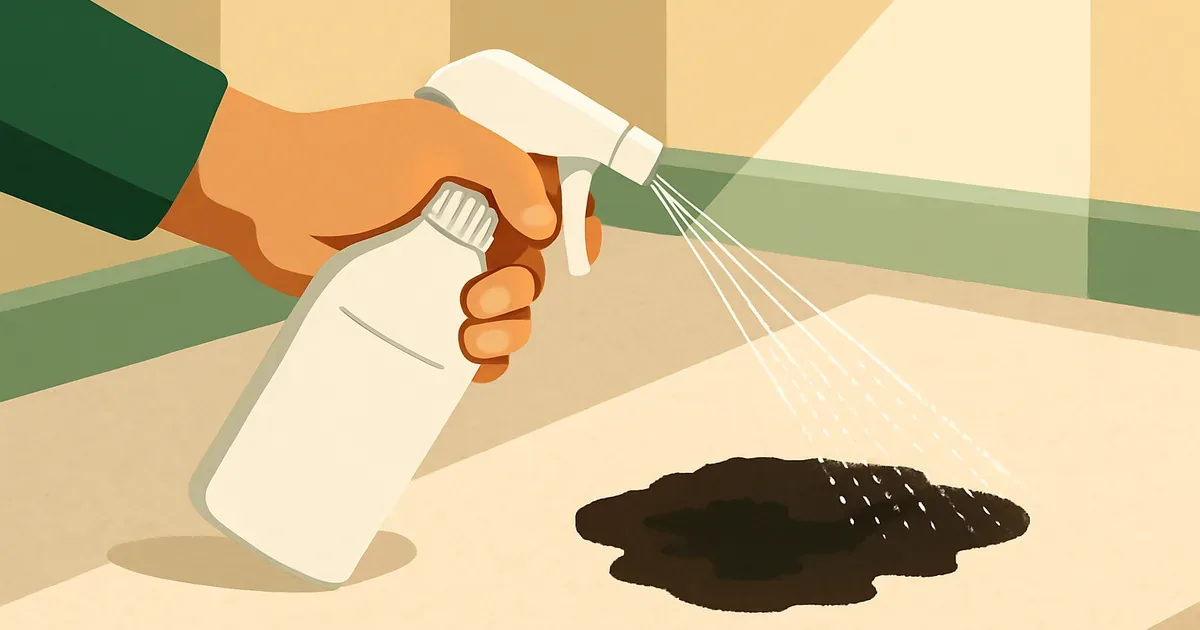
How to Use Enzyme Cleaner on Carpet: Step-by-Step
Step-by-step guide to using enzyme cleaner on carpet stains. Covers contact time, carpet machines, and hand application. Follow our method.
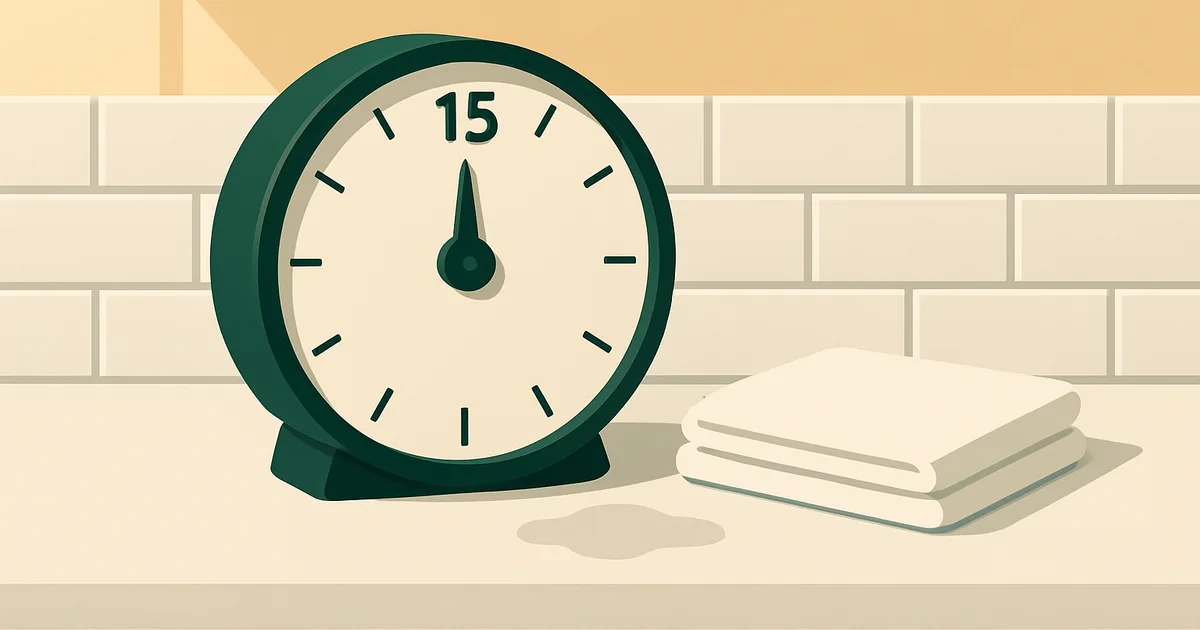
How Long Does Enzyme Cleaner Take to Work? (Times)
Enzyme cleaners need 15 minutes to 24 hours depending on the stain. Use our contact time table to find the right soak time. See the full breakdown.
Cleaning Product Researcher
Sarah Chen is a pen name for our lead product researcher. A lifelong dog person who now shares her home with two cats, she's no stranger to enzyme cleaners. She writes the guides and reviews on this site based on product research, ingredient analysis, and real user feedback.